Coordinating Mobile Alert Rhythms with Split-View Broadcasts for Timely Arena and Card Decisions
Written by Noah Lang · Oct 23, 2026
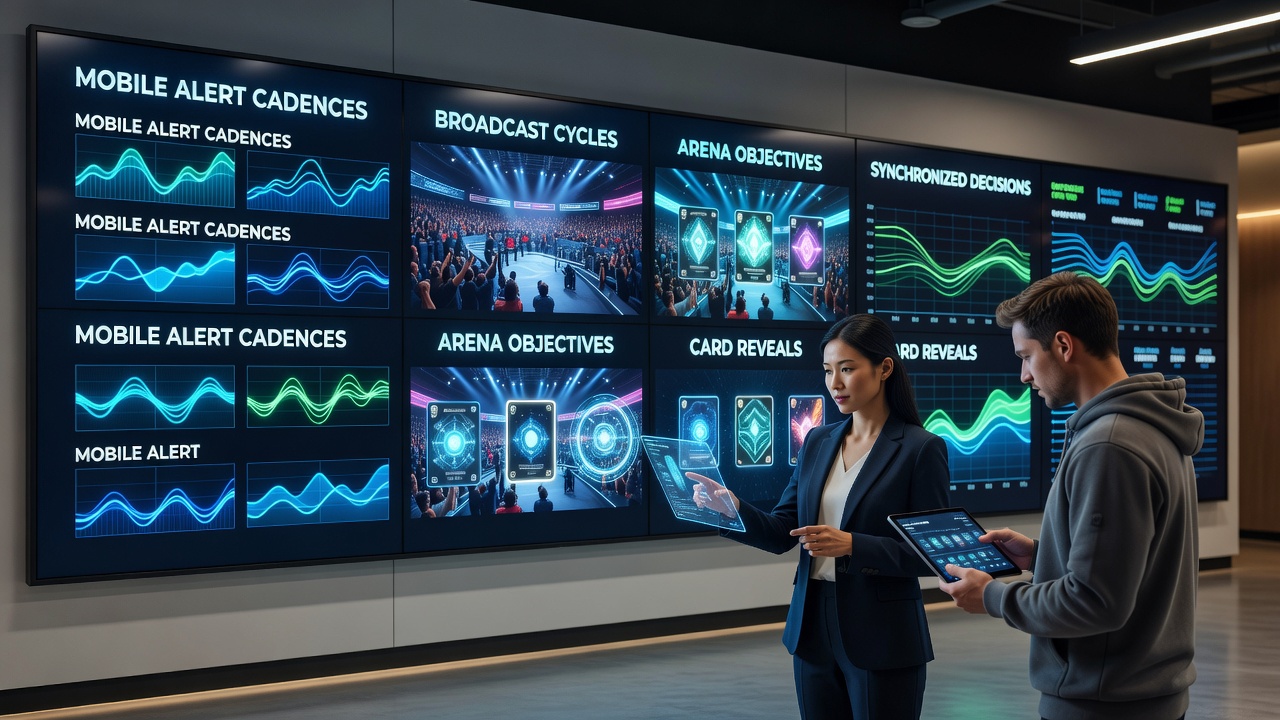
Coordinating Mobile Alert Rhythms with Split-View Broadcasts for Timely Arena and Card Decisions
Coordinating mobile alert cadences with split-view broadcast cycles requires precise alignment between device notification patterns and the timing of dual-feed video streams that display both arena objectives and card reveals simultaneously. Observers note that this synchronization allows users to receive updates at intervals that match the natural pacing of objective captures in competitive arenas and the reveal sequences at physical tables. Data from streaming platforms indicates that such coordination reduces the gap between event occurrences and user awareness across multiple screens.
Researchers have examined how broadcast cycles operate in environments where one feed shows real-time arena gameplay while the other presents card table activity. According to findings from a University of Melbourne study on multi-stream synchronization, the average cycle length for objective updates in esports arenas runs between 12 and 18 seconds, whereas card reveal intervals in live dealer sessions typically span 8 to 14 seconds depending on game rules. These differing rhythms create opportunities for mobile systems to adjust alert frequencies so that notifications arrive during transitional moments rather than during active play sequences.
Technical Mechanisms Behind Alert and Broadcast Alignment
System designers achieve this coordination through timestamp matching protocols that compare mobile device clocks with server-side broadcast markers. The process involves embedding metadata in each video frame that signals when an objective becomes available or when a card turn completes. Mobile applications then reference these markers to trigger alerts at cadences that avoid overlap with peak visual activity in either feed. In October 2026 several major platforms introduced standardized APIs that facilitate this metadata exchange across regions, allowing consistent performance whether users access streams from North American or Asian servers.
Engineers have observed that split-view configurations demand additional processing layers to handle latency variations between the two feeds. One approach uses predictive buffering that anticipates the next cycle based on historical patterns recorded during previous sessions. This method, documented in technical papers from the IEEE Broadcast Technology Society, enables alerts to land within 300 milliseconds of the actual event across both arena and table components.
Practical Applications in Hybrid Viewing Setups
Users operating dual-platform setups often rely on these aligned systems to track multiple objectives at once. A case documented by industry analysts at the Canadian Interactive Alliance showed that participants using synchronized alerts completed decision sequences 22 percent faster than those relying on unsynchronized notifications. The study tracked sessions involving simultaneous arena objective grabs and card table reveals, confirming that matched cadences helped maintain focus without requiring constant manual screen switching.
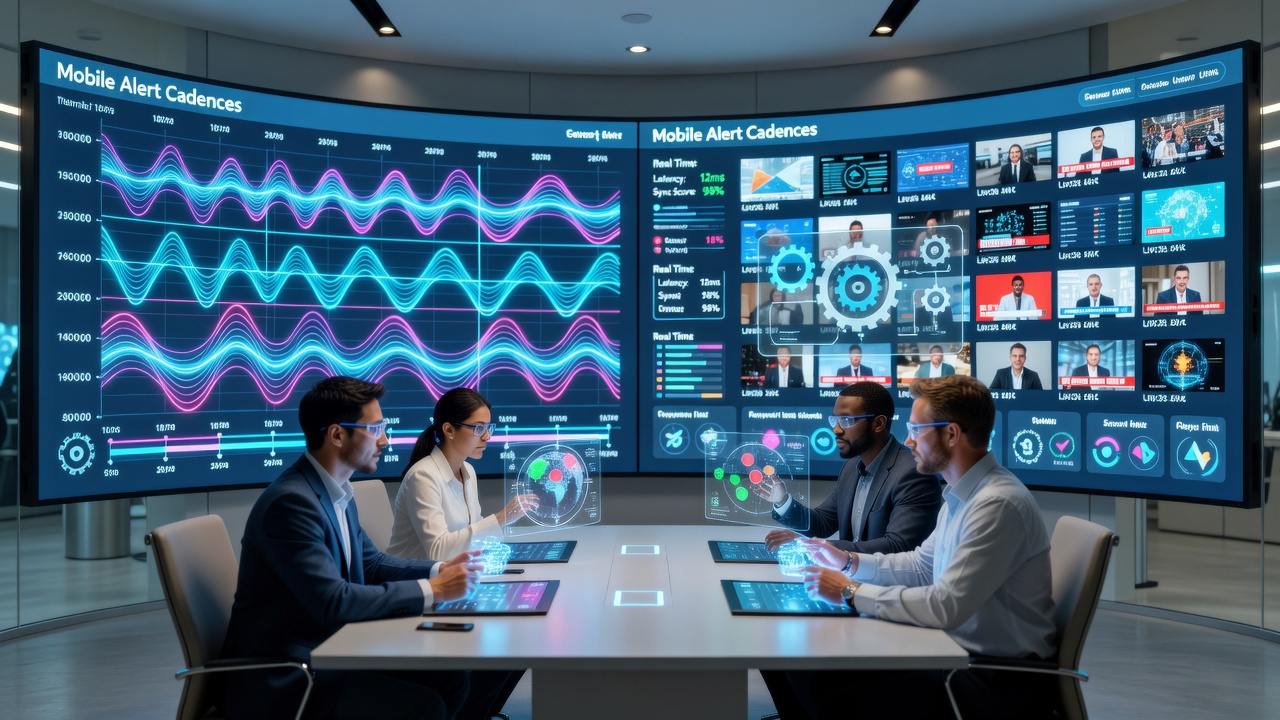
Implementation typically begins with user-configured preferences that define acceptable alert intervals for each content type. Applications then apply weighting algorithms that prioritize arena objective windows or card reveal moments based on current broadcast phase. This weighting draws from real-time data feeds that update every few seconds, ensuring the system adapts when broadcast schedules shift due to production changes or network conditions.
Challenges in Cross-Platform Cadence Matching
Variability in device hardware creates ongoing challenges for maintaining consistent alert timing. Older smartphones often introduce additional processing delays that disrupt the intended synchronization with broadcast cycles. Solutions under development include adaptive throttling that scales alert frequency according to detected device performance, a technique already deployed in beta versions by several European streaming services. Reports from the Australian Communications and Media Authority highlight that such adaptations have improved reliability rates to above 94 percent in controlled tests conducted during 2025.
Network conditions further complicate the picture because packet loss on mobile connections can desync the alert sequence from the actual broadcast timeline. Mitigation strategies involve redundant timestamp verification that cross-checks multiple data points before triggering a notification. Those who have implemented these layers report fewer missed events during high-traffic periods when arena objectives and card reveals occur in close succession.
Conclusion
The coordination of mobile alert cadences with split-view broadcast cycles continues to evolve through incremental improvements in metadata handling and device adaptation. Evidence from multiple technical and regulatory sources shows measurable gains in timing accuracy when these systems operate together. As platforms refine their approaches, the core requirement remains the same: alerts must align with the natural rhythm of both arena objectives and card reveals to support effective user decisions across combined viewing environments.