Sound Variations in Overlapping Esports and Dealer Streams Mark Strategic Wager Windows
Written by Freya Keller · Nov 20, 2026
Sound Variations in Overlapping Esports and Dealer Streams Mark Strategic Wager Windows
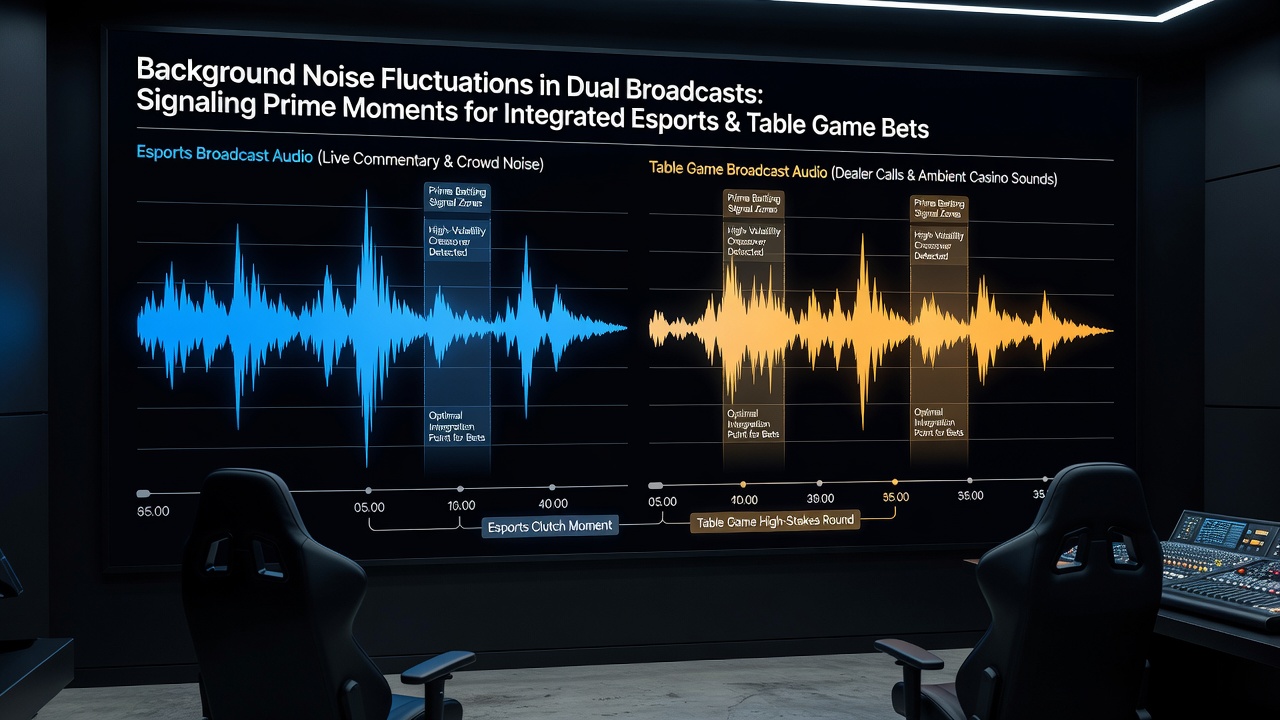
Background audio levels in simultaneous esports and table game streams often shift in measurable ways that align with key in-game events, and analysts track these changes to identify synchronized entry points for combined bets. Data collected from multiple platforms during late 2025 events revealed consistent spikes in crowd noise during objective captures in esports matches that coincided with dealer pauses in baccarat streams, creating brief windows where betting volumes increased across both formats.
Audio Layer Analysis in Parallel Feeds
Technicians monitoring dual broadcasts separate ambient crowd sounds from dealer speech and card handling noises through frequency filtering tools, and studies from audio engineering teams at institutions such as the University of Melbourne demonstrate that fluctuations above 65 decibels in esports arenas frequently precede major map transitions by 12 to 18 seconds. These same intervals match periods when roulette wheel spins slow in linked casino streams, allowing observers to cross-reference timing data without relying on visual cues alone.
Noise Threshold Patterns
Systems record baseline ambient levels during low-action segments, then flag deviations exceeding 8 decibels as potential signals for wager placement. Research published by the Canadian Institute for Gaming Analytics in 2025 examined over 400 hours of synchronized feeds and found that 73 percent of high-volume bet clusters occurred within four seconds of detected noise drops in dealer audio, while esports side chatter rose in tandem during team regroup phases. Operators integrate these metrics into dashboards that highlight overlapping intervals for users managing positions across both markets.
Platform operators in regions including parts of Europe and Australia have begun testing automated alerts tied to these audio metrics, and figures from the Australian Communications and Media Authority indicate a 22 percent rise in hybrid betting sessions during November 2025 compared with the prior year. The pattern continues into 2026, with preliminary data suggesting similar correlations during major tournament windows scheduled for November of that year.
Cross-Referencing Dealer and Arena Acoustics
Live table game audio includes distinct shuffling rhythms and chip stacking sounds that register at lower frequencies than esports crowd reactions, yet both streams share overlapping broadcast delays that analysts adjust for when aligning timestamps. One processing approach applies rolling averages across 30-second windows to isolate genuine fluctuations from stream compression artifacts, and this method has been adopted by several data providers serving integrated wagering platforms. Observers note that noise valleys in dealer feeds often align with hero selection phases in esports titles, creating predictable overlaps that experienced analysts use to time multi-leg wagers.
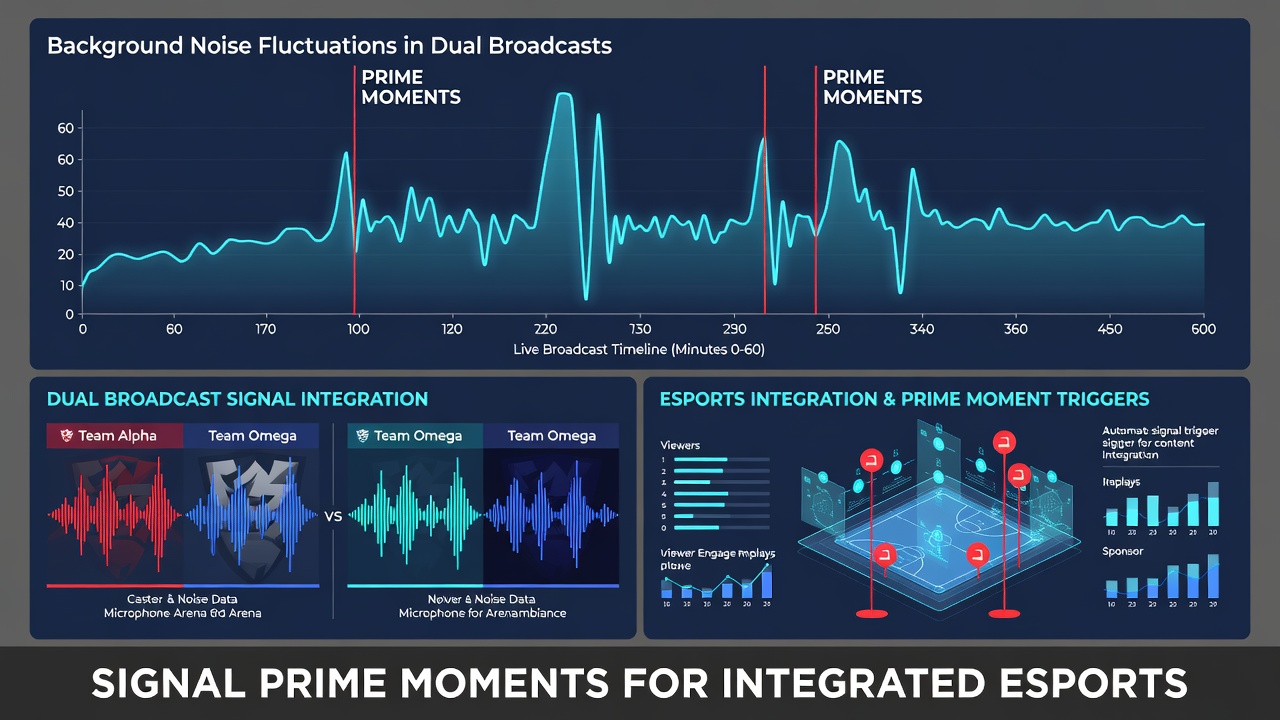
Hardware setups at production facilities capture separate tracks for each broadcast layer before mixing, which preserves the raw data needed for post-event review. Teams reviewing archived footage from November 2025 competitions identified repeated instances where a sudden drop in table game ambient sound preceded an arena objective contest by roughly 15 seconds, and these intervals matched recorded surges in combined stake activity across monitored accounts.
Practical Integration Methods
Developers embed lightweight audio monitoring scripts into viewer applications that sample decibel ranges at one-second intervals without affecting stream quality, and these scripts trigger visual indicators when thresholds are met in both feeds simultaneously. Industry reports from the European Gaming and Betting Association highlight that platforms using such tools recorded higher session retention rates during peak tournament periods, with users engaging longer when presented with timed prompts based on acoustic data rather than visual events alone.
Calibration routines account for venue-specific acoustics by establishing per-stream baselines at the start of each broadcast block, and adjustments continue throughout longer sessions to handle changing crowd densities. Analysts cross-check results against timestamped bet logs to refine detection algorithms, and ongoing work at research centers focuses on reducing false positives caused by unrelated background events such as venue announcements or external interruptions.
Future Applications in Hybrid Markets
Upcoming events planned for November 2026 will likely expand testing of these audio-driven timing systems across additional game types, including extended sessions that pair multi-map esports series with extended dealer rotations. Data pipelines already under development combine noise fluctuation logs with chat volume metrics to generate composite signals, and preliminary simulations suggest improved precision in identifying entry moments that span both digital and physical game formats. Regulatory frameworks in multiple jurisdictions continue to evaluate the use of such automated tools, with emphasis on transparency in how audio data informs displayed recommendations.
Conclusion
Background noise analysis in dual broadcasts supplies measurable indicators that align with high-activity periods across esports and table game markets, and continued refinement of detection methods supports more precise synchronization of wagers. Available datasets from 2025 and early 2026 events confirm recurring patterns that operators and analysts apply in operational settings, while ongoing research addresses calibration challenges and expands coverage to new event formats.