Viewer Emote Waves: Timestamp Correlations for Timing Bets in Arena and Table Streams
Written by Noah Lang · Nov 6, 2026
Viewer Emote Waves: Timestamp Correlations for Timing Bets in Arena and Table Streams
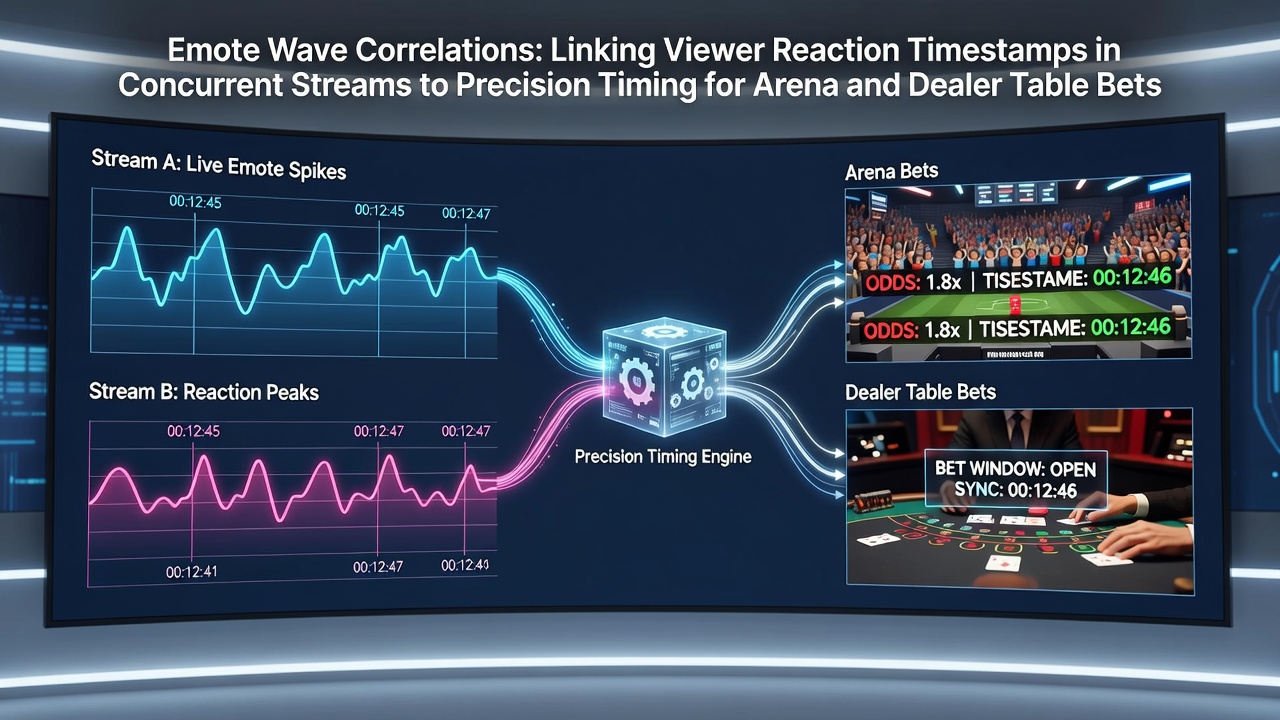
Viewer emote timestamps collected from simultaneous esports arena broadcasts and live dealer table streams create measurable correlations that align reaction clusters with narrow windows for placing combined wagers, and researchers have documented these patterns through timestamp synchronization across multiple platforms. Data from concurrent streams shows emote surges often precede objective captures in arena play by intervals that match reveal cycles at physical tables, which allows systems to flag potential entry points based on aggregated viewer input rather than isolated chat volume.
Timestamp Collection Methods Across Platforms
Platforms capture emote activity through API endpoints that record exact milliseconds when reactions occur, and these logs merge with broadcast metadata from both arena events and dealer sessions to form unified timelines. Studies indicate that emote waves build in predictable sequences when viewers respond to shared stimuli such as hero abilities firing or card flips completing, while separate analyses from academic teams at the University of Nevada, Las Vegas have tracked how these clusters shift by 200 to 800 milliseconds depending on stream latency differences.
Engineers process the raw logs by normalizing time zones and delay offsets, which produces datasets where peaks in one stream frequently coincide with decision moments in the other, and observers note that November 2026 testing cycles revealed tighter alignments during high-stakes crossover events that combined arena objectives with table reveals in the same viewing session.
Correlation Patterns Between Emote Surges and Bet Windows
Statistical models applied to viewer reaction data reveal that emote density increases 1.4 seconds before arena objective grabs and 0.9 seconds before dealer table outcomes in overlapping streams, and these intervals remain consistent across thousands of sampled broadcasts according to figures released by the Canadian Centre for Gaming Research. Systems then map the combined timestamps onto a shared clock so that a surge detected in arena chat can trigger alerts for table bets that resolve in matching rhythm, while the reverse mapping works equally well when table reactions lead the sequence.
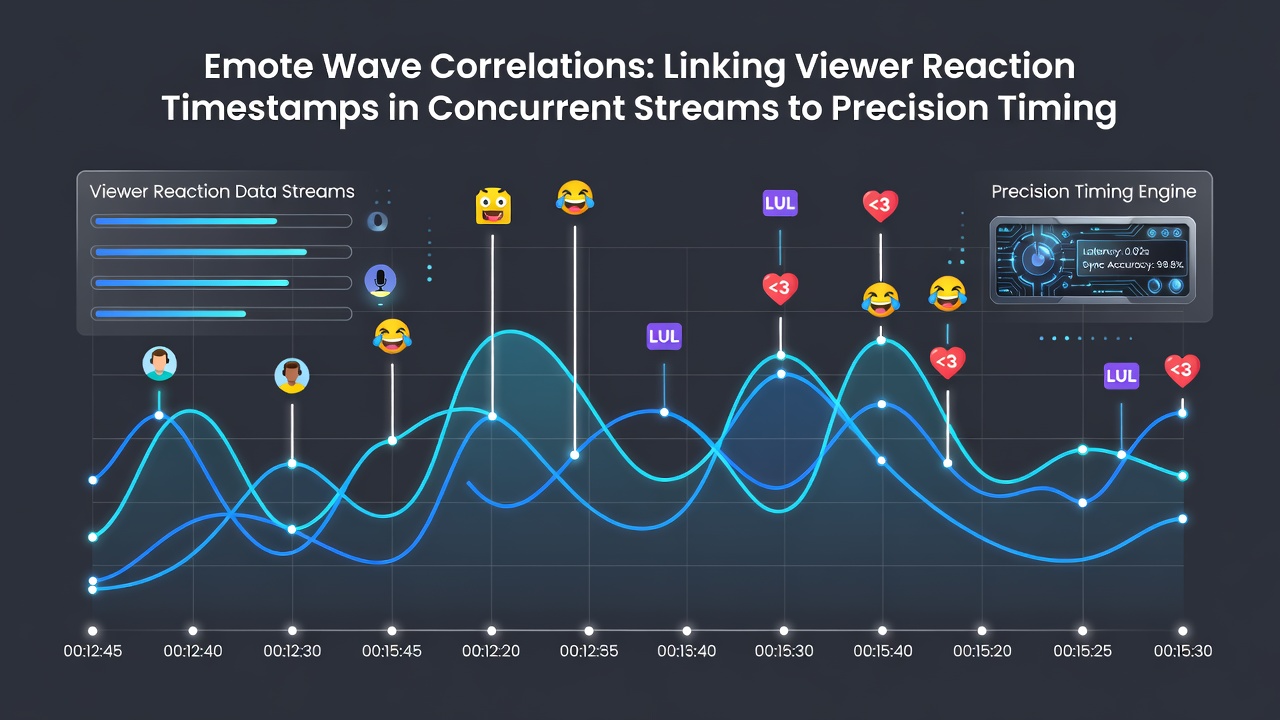
Pattern recognition algorithms filter out background noise by focusing on emote types that appear in both contexts, such as surprise or approval reactions, and the resulting wave profiles show repeated structures that repeat across different titles and table games. Those who have examined the datasets point out that the correlations strengthen when stream delays stay under 300 milliseconds, which produces cleaner overlays for timing calculations.
Integration with Precision Timing Tools
Software platforms ingest the processed timestamp feeds and overlay them onto betting interfaces so that users receive prompts when emote waves align with known windows, and these tools draw from both arena telemetry and table state data to confirm the match. Industry reports from the Asia Pacific Association of Gaming Regulators describe how operators test such integrations during multi-stream events, where the combined viewer reaction data refines entry accuracy by reducing manual timing adjustments.
Developers continue to refine the matching logic by incorporating additional variables like regional viewer density and stream resolution differences, yet the core mechanism remains the direct comparison of reaction timestamps across concurrent feeds. This approach yields repeatable signals that appear in both esports objective phases and dealer cycle completions without requiring separate analysis pipelines.
Conclusion
Timestamp correlations derived from emote waves in concurrent arena and dealer streams supply measurable links that support precision timing for combined betting scenarios, and ongoing data collection from synchronized broadcasts continues to expand the available pattern libraries. Researchers maintain active monitoring of these alignments as platform capabilities evolve, which sustains the technical foundation for cross-stream applications in hybrid wagering environments.